A copy that stays put
A Shade is a magical duplicate of your mouse. It stays where you leave it and keeps doing what it was doing 鈥?standing on a plate, holding a rope or blocking a mechanism.
Shades are magical copies of your mouse. They stay where you leave them, hold what you need held and fill the extra paws in a four-mouse puzzle. They are not AI companions, and that is the point.
The Shade System creates a magical duplicate of your mouse. The copy holds its position and keeps doing what it was doing: standing on a plate, holding a rope, blocking a door. It does not walk around or solve the puzzle for you.
That is the design. A Shade is a tool for answering the question every co-op puzzle asks:where would a second pair of paws stand? Once you can see the answer, you can make the paws.
Official material does not publish a final Shade cap. October demo coverage reported that solo players could fill a four-mouse puzzle with Shades; Windup has not confirmed the retail cap. Treat any specific number as a demo-era observation.
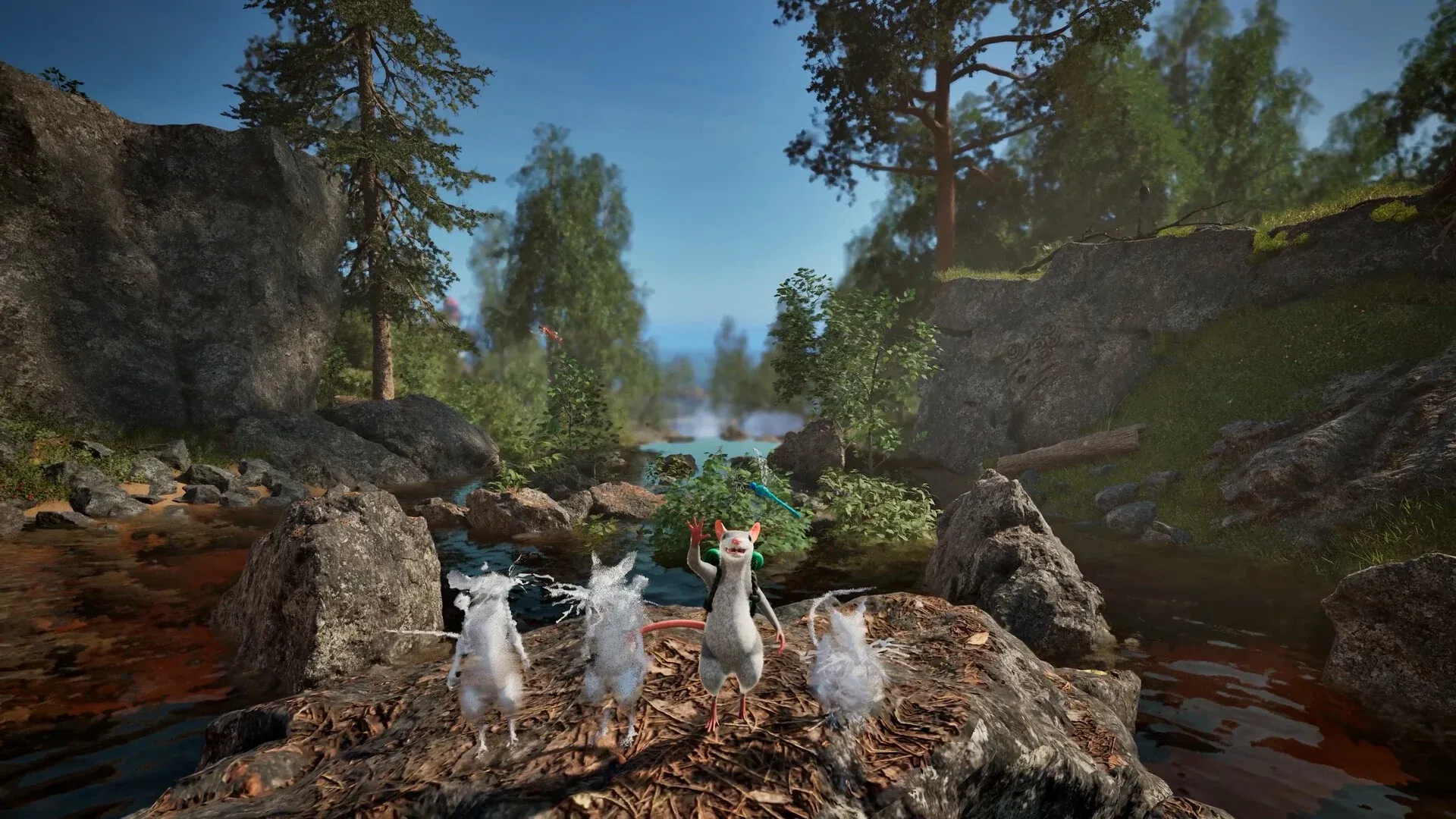
Three copies plus the real mouse. In a two-player game, each player takes a plate and Shades fill the remaining two. In a four-player game, no Shades are required for the plates.
A Shade is a magical duplicate of your mouse. It stays where you leave it and keeps doing what it was doing 鈥?standing on a plate, holding a rope or blocking a mechanism.
Shades do not walk around or solve things for you. They are tools: you decide where a second pair of paws should stand, then make one.
Leave a Shade before a risky climb. If you fall, swap to it instead of climbing all the way back up. The same trick works before a long glide.
Rituals and doors can require two, three or four mice. A Shade fills a slot, which is how a solo player completes a four-mouse puzzle.
Official material does not publish a final Shade limit. October demo coverage reported that solo players could fill a four-mouse puzzle with Shades; Windup has not confirmed the retail cap. Treat any specific number as a demo-era observation.
Shades can be deleted, and sometimes that is the solution: a copy holding a door open may need to be removed before the door can close. The controller mapping puts create/delete on the d-pad.
Stand a Shade on a pressure plate, then take the next plate yourself. Three Shades plus one mouse opens a four-plate door.
A Shade holds one end of a rope or keeps a line taut, turning a swing into a tightrope.
Leave a Shade before a climb or glide. If you fall, swap back instead of retracing the route.
A Shade can hold a door, keep a seesaw down or block a mechanism. Presence is a tool.
| Party | Mice on screen | Shade slots (planning) | What changes |
|---|---|---|---|
| Solo | 1 | 3 slots | You are the fourth plate. Copies do the holding. |
| 2 players | 2 | 2 slots | Split the plates; use Shades for ropes and checkpoints. |
| 3 players | 3 | 1 slot | One gap to fill. Save it for the hardest position. |
| 4 players | 4 | 0 needed | The party fills the four-mouse cap. Shades become optional tools. |
The table is a planning estimate based on the four-mouse puzzle cap. The final retail Shade limit is not confirmed. Do not treat the slot count as a permanent rule.