December 1, 2026Steam
Field guide
The forest opensDecember 1, 2026
The game · World

The world of Hela

A handcrafted open world inspired by Northern Sweden, seen from a mouse’s eye. Forests, meadows, wetlands, burrows, mountain trails and lakes — but no published region-by-region map.

7 environment typesNorthern Sweden inspirationUpdated November 18, 2026
Mouse scale1:100a garden is a country
The setting

A familiar landscape, at an unfamiliar size.

Hela is set in a magical corner of northern Sweden, inspired by the landscapes the Windup team grew up with: mossy forests, flower-dotted meadows, quiet wetlands, rocky trails and the long light of the north. The studio is based in Umeå, and the team has described the setting as a love letter to the nature around them.

At mouse scale, the familiar becomes enormous. A garden table is a plateau. A wheelbarrow is a mountain. A puddle is a lake, and a fallen branch is a bridge. The world is designed to be read at that scale, not just looked at.

No official map yet

Windup has confirmed environment types, not named regions. We do not have a region-by-region map, a list of named locations or a full fast-travel system. This page describes what has been shown, not a fictional atlas.

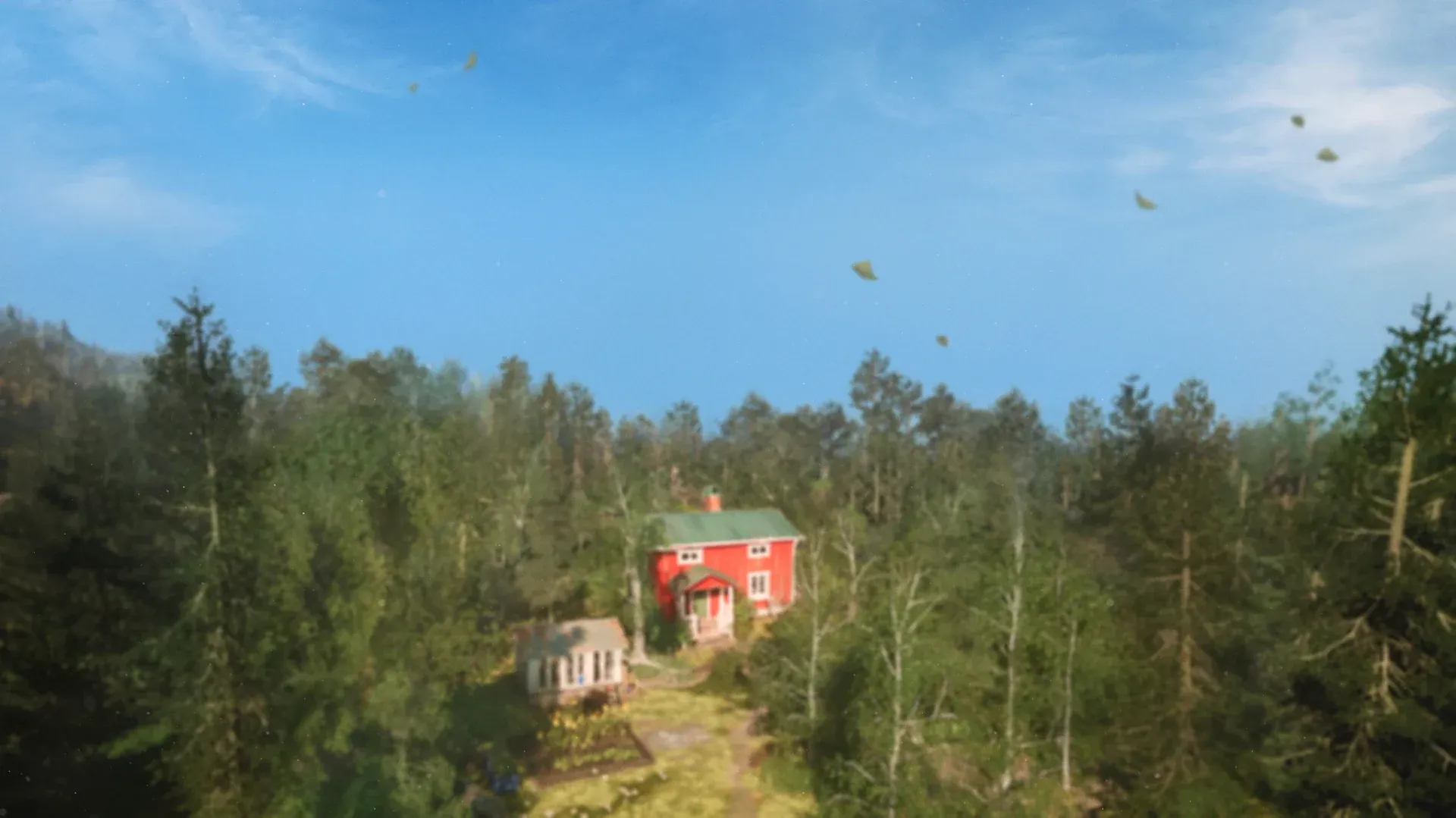
A red Swedish cottage with a green roof surrounded by dense forest.
The red cottage in the trees: the visual anchor of the Northern Sweden setting.Plate XII
The environment ledger

Seven kinds of place

These are the environment types confirmed in official material. They are not necessarily the game’s region names.

01

The witch’s cottage

The cottage is the emotional centre of Hela. It is where the ailing witch rests, where letters from villagers arrive, and where the recipe book turns foraged ingredients into remedies.

Return here to brew, hear the witch’s memories and pick up the next thread of the story.

02

Forests

The forests are the game’s main playground: mossy rocks, fallen trunks, branches that become highways and attach points that turn a tree into a climbing frame.

Swing, climb and glide through the canopy. Look for hidden paths and story fragments that reward slowing down.

03

Meadows

Meadows open up the world between the trees. Garden tools, flower pots and picnic tables become landmarks at mouse scale, and the village’s human life is never far away.

Forage, meet animals and use everyday objects as platforms, bridges and puzzle pieces.

04

Wetlands

Misty wetlands add a quieter, more mysterious biome. Water, mud and reeds change how you move, and the scale makes a shallow puddle feel like a marsh.

Use floating objects and careful route-reading. The wetlands are a natural home for the pike and other water-linked wildlife.

05

Burrows

Burrows are the underground counterpoint to the canopy: tight, winding spaces that make the mouse’s size an advantage rather than a limitation.

Squeeze through gaps, follow roots and find routes that larger creatures cannot use.

06

Mountain trails

Rugged mountain trails and rocky ground push the traversal system. Climbing drains the spiral on Froggy’s back, so long ascents become a rhythm of rest and movement.

Plan climbs around stamina, leave Shades as checkpoints and glide down instead of retracing every step.

07

Lakes and shoreline

Tranquil lakes and the northern shoreline give the world its breathing room. The publisher describes a Scandinavian coastal village, with crisp air and a sparkling shoreline.

Cross water with improvised floats, follow the shore and watch for wildlife above and below the surface.

The scale

Three ordinary objects, three landscapes

01

A garden table

A plateau with a cliff edge, a forest of potted plants and a route for a mouse who can climb.

02

A wheelbarrow

A mountain with a red wheel, a metal slope and a rope route that turns a chore into a summit.

03

A stream

A river crossing. Stones become stepping stones; a leaf becomes a boat; a branch becomes a bridge.

These are design examples, not named locations. The screenshots show the scale; the official material does not give these objects map coordinates.

The inspiration

Norrland, not a generic fantasy forest.

The team describes the setting as the far north of Sweden, beyond the fjords: woodlands, meadows, wetlands and a coastal village. The art direction leans on the specific atmosphere of the place — crisp air, long shadows and a sparkling shoreline — rather than a generic storybook forest.

Windup has also said it uses procedural tools as a brush, with artists directing the result. Treat the world as handcrafted in intent, even where tools helped build the terrain.

How the land connects to the story
Confirmed environments
  • Forests and woodlands
  • Meadows and village edges
  • Misty wetlands
  • Burrows and underground spaces
  • Mountain trails and rocky ground
  • Lakes and shoreline
  • The witch’s cottage
Open questions

What the map does not tell us yet

Named regions

No official region names or full map have been published.

Fast travel

Previews show waypoints and a map. The full fast-travel system is not detailed.

Weather and seasons

The screenshots show different light and foliage. A dynamic weather system is not confirmed.

Day/night

A preview describes shifting the time of day to find a glowing ingredient. The final system is not official.

When the game launches, this page will be rebuilt around the real map — with named regions, verified routes and source notes. Until then, it stays an environment guide, not an atlas.

Type to search the field guide

Every result links to a sourced page.Open full search